English
 Chinese
Scan QRCode

Three months ago, the car market was still dominated by large six-seat SUVs. Mainstream brands' six-seat SUV sales exceeded one million units for the year, achieving rapid growth. In the mid-to-large SUV market, six-seat models accounted for over 70% of the share, with popular models like the Geely Galaxy M9, NIO ES8, and Denza N9 emerging across price ranges from 100,000 to 500,000 yuan, becoming top choices for family car buyers. However, as 2026 arrived, the market trend quietly shifted, with large five-seat SUVs seeing a surge in new launches—models like the Zeekr 8X, IM LS8, and Nissan NX8 entered the scene, signaling a new direction in competition. The shift from large six-seat to five-seat SUVs in just one year quickly redirected the market's focus. From a demand perspective, the flexible space layout, superior handling, and better alignment with mainstream family needs make large five-seat SUVs a new strategic priority for automakers, intensifying competition in the 2026 car market.
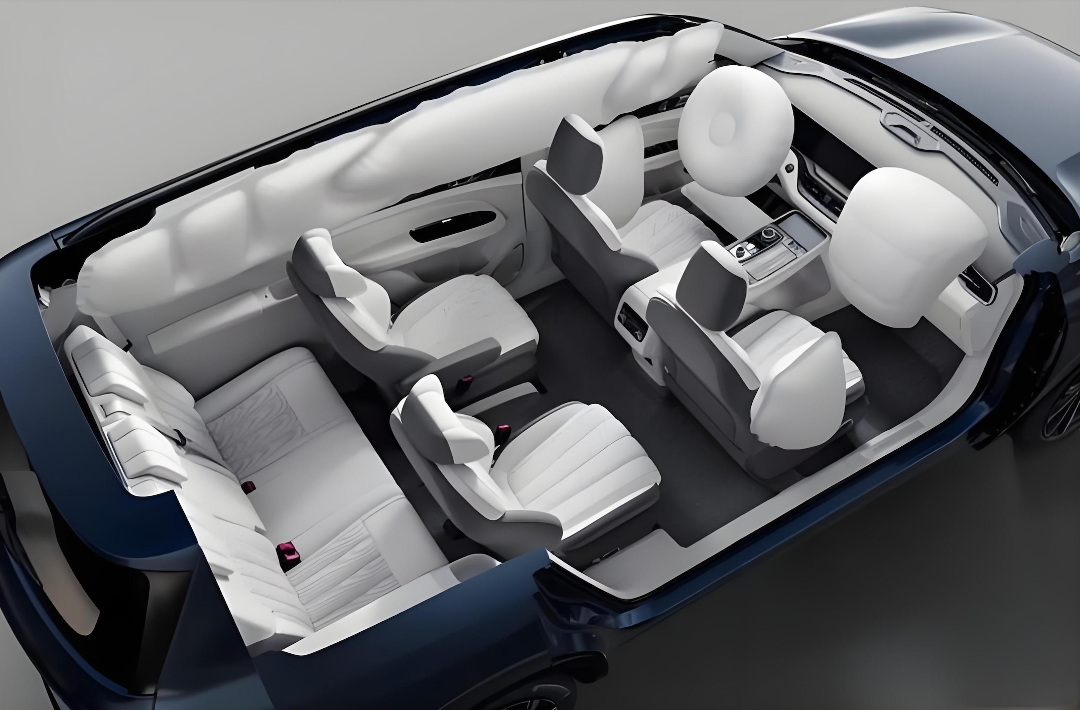
Looking back at the explosive growth of large six-seat SUVs in 2025, automakers achieved significant sales increases and new development opportunities. With the joint launch of AITO M8 and M9, the Li Auto series continued to make its mark, while models like Geely Galaxy M9 and Denza N9 secured their positions in their respective price ranges due to their cost-effectiveness and product strength, becoming the core drivers of brand sales growth. The success of these large six-seat SUVs primarily stems from their alignment with the travel needs of multi-child families. Through consumer interviews, the six-person travel structure of "two adults, two children, and two elderly" highlights the advantages of the "2+2+2" layout in six-seat SUVs. Compared to the "emergency third row" of seven-seat SUVs, every row in a six-seat SUV provides a better riding experience, addressing the pain points of family travel. With the support of new energy technology, large six-seat SUVs have comprehensively surpassed traditional fuel vehicles in terms of power, energy consumption, and intelligence, further driving market growth. Meanwhile, the upcoming large five-seat SUVs in 2026 will also bring new development opportunities for automakers.
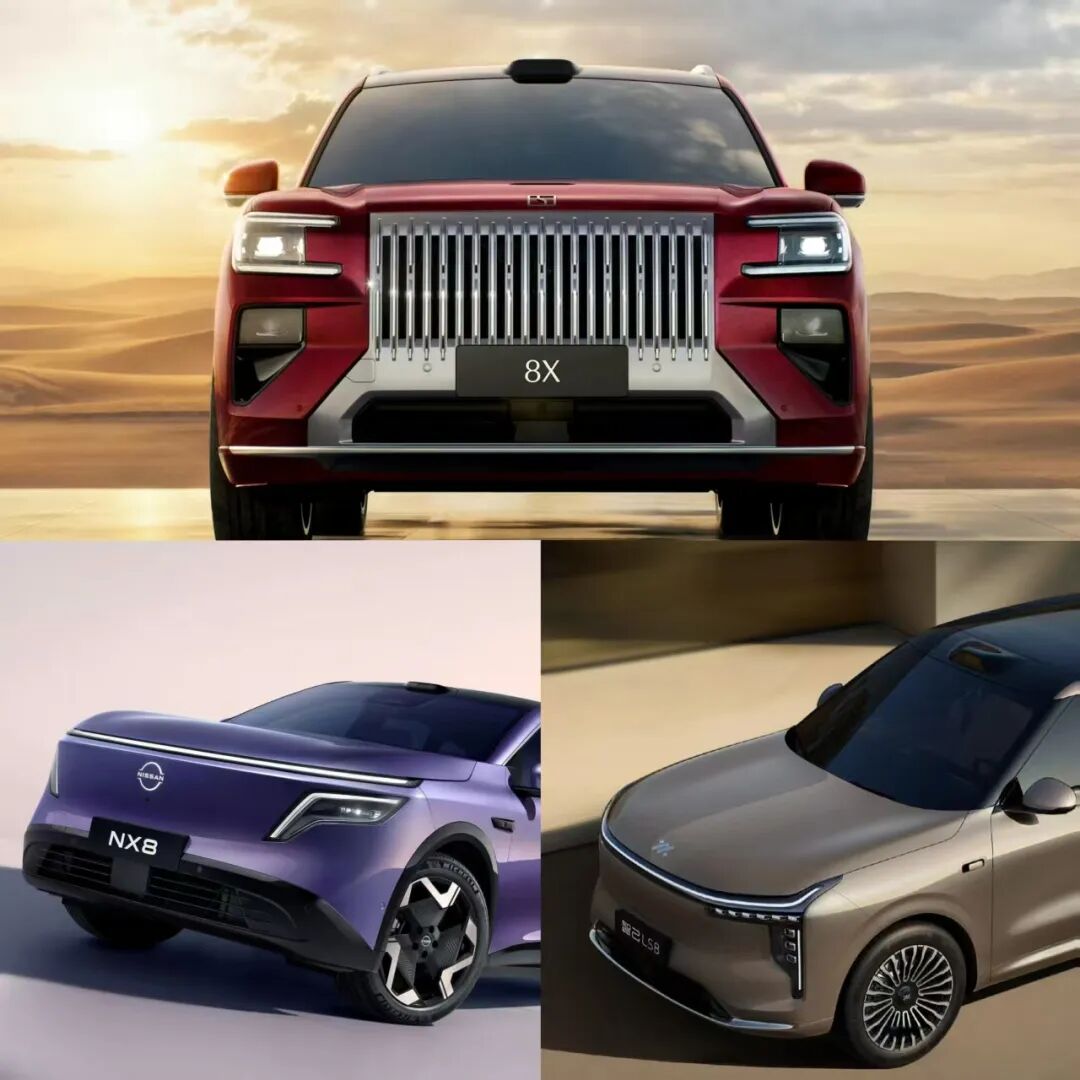
Compared to six seater SUVs, the larger five seater SUV not only ensures comfort in the front and rear seats, but also has a more spacious trunk space, making it more suitable for families of three or four, as well as families that prioritize cargo needs. Models such as the Extreme Krypton 8X, Zhiji LS8, Nissan NX8, etc., for corresponding car companies, by laying out large five seater SUVs, can further improve their product matrix, cover more household user needs, and seize the opportunity in the stock competition car market. In addition, the five seater SUV and six seater SUV complement each other and meet the needs of different family structures, helping car companies achieve sustained sales growth. If we zoom in, the development process of China's automobile market is actually a history of constantly opening up new battlefields and exploring new opportunities. From the perspective of segmented markets, competition has never stopped, and every new track opening injects new vitality into the car market.
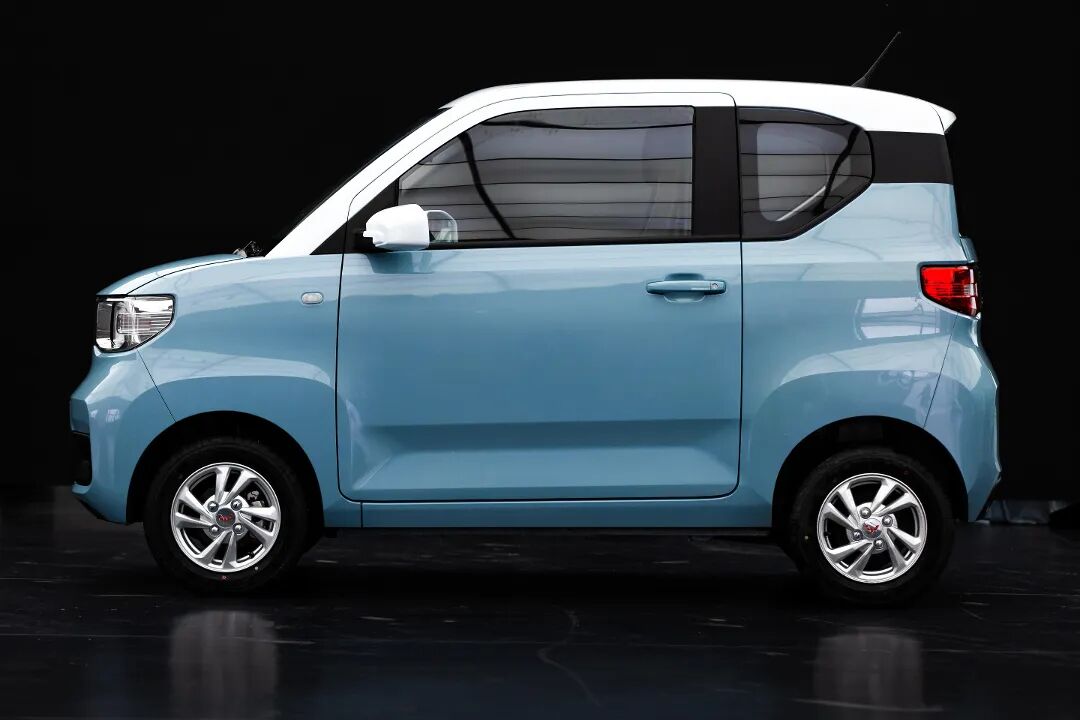
A few years ago, Wuling Hongguang MINIEV opened up the blue ocean market for micro electric vehicles with affordable prices and flexible body design. Subsequently, models such as Changan Lumin and Chery QQ Ice Cream entered the market one after another, and the micro electric vehicle market quickly turned from a blue ocean to a red ocean, becoming the earliest race track for Chinese brands to break through. Subsequently, BYD Qin PLUS launched a new energy competition in the A-class sedan market with plug-in hybrid technology, quickly seizing market share with high cost-effectiveness and low energy consumption advantages, and promoting the comprehensive electrification of the A-class sedan market. The introduction of Tesla Model 3, Xiaomi SU7 and other models has opened up intelligent and electric competition in the B-class sedan market, making it the core battlefield for technological competition.
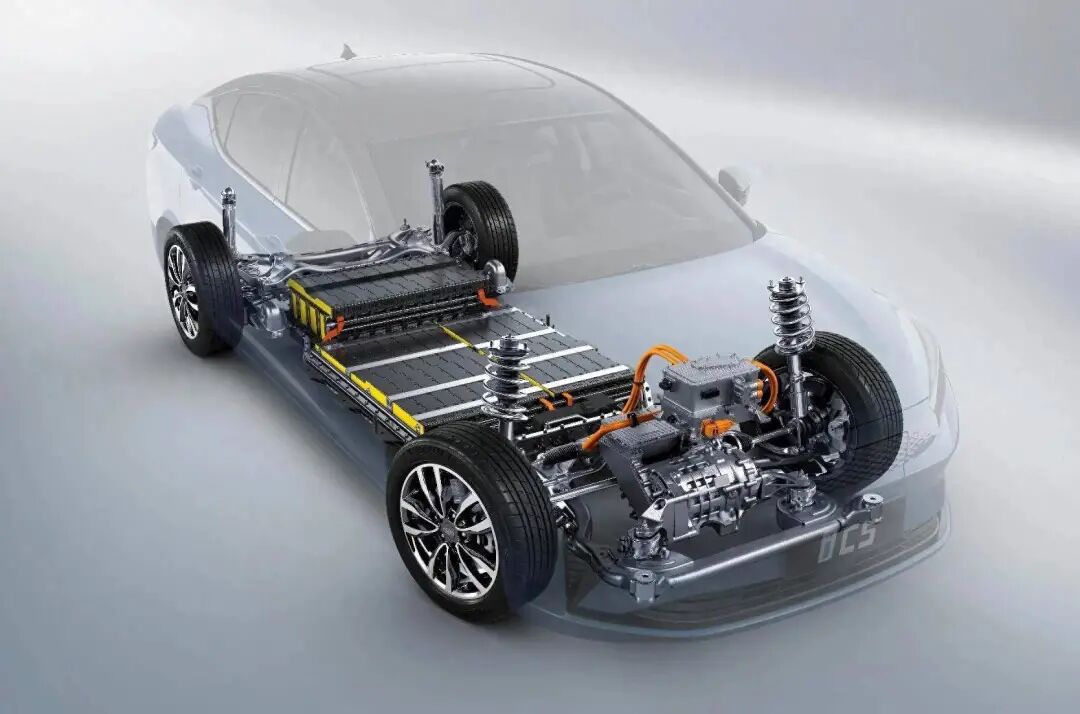
Of course, from a technological perspective, competition is equally exciting. From traditional fuel vehicles to pure electric vehicles, from plug-in hybrid to range extender, each technology route has its own advantages and supporters. Pure electric vehicles have become the mainstream of future development due to their advantages of zero emissions, low operating costs, and high level of intelligence; Plug in hybrid models cater to both pure electric commuting and long-distance travel, solving range anxiety; Extended range vehicles are highly favored in the mid to large SUV market due to their "electric for electricity, no oil for electricity" model. The competition of different technological routes drives the continuous progress of automotive technology and provides consumers with more choices. Analyzing the constantly opening up new battlefields in the automotive market is essentially about car companies seeking new sales growth and development space in an uncertain market environment. Both the expansion of segmented markets and the innovation of technological routes are inevitable choices for car companies to respond to market changes and meet consumer needs. Therefore, the current competition for large five seater SUVs will never be the end. As Li Weimeng, CMO of Zhiji Motors, said in an interview, "We cannot say that there are multiple rolls between the 8 Series, but rather we should return to a more fundamental question: what do Chinese quality families really need when they want to choose a car between 250000 and 300000 yuan

The answer is the quality that car companies need to provide to users. At the same time, with the continuous upgrading of consumer demand and the continuous advancement of technology, there will be more new segmented markets emerging in the future, and more new technological routes will also emerge. From micro electric vehicles to A-class sedans, from B-class sedans to mid to large SUVs, from gasoline to pure electric, plug-in hybrid, and extended range, the Chinese car market is constantly innovating. At present, the glory of large six seater SUVs has not yet come to an end, and the competition for large five seater SUVs has also begun, and this is just one of the countless new battlefields in the automotive market. In the future, the competition in the car market will only become more intense and exciting. Continuously opening up new battlefields is the core driving force for the vitality and sustainable development of China's automobile market.
AMS2024 Exhibition Guide | Comprehensive Exhibition Guide, Don't Miss the Exciting Events Online and Offline
Notice on Holding the Rui'an Promotion Conference for the 2025 China (Rui'an) International Automobile and Motorcycle Parts Exhibition
On September 5th, we invite you to join us at the Wenzhou Auto Parts Exhibition on a journey to trace the origin of the Auto Parts City, as per the invitation from the purchaser!
Hot Booking | AAPEX 2024- Professional Exhibition Channel for Entering the North American Auto Parts Market
The wind is just right, Qianchuan Hui! Looking forward to working with you at the 2024 Wenzhou Auto Parts Exhibition and composing a new chapter!
Live up to Shaohua | Wenzhou Auto Parts Exhibition, these wonderful moments are worth remembering!
Free support line!
Email Support!
Working Days/Hours!



Copyright © 2018, PKT Auto Parts All Rights Reserved
浙ICP备18033565号-1
 浙公网安备33038102332475号